News
New Column: Making "We" the Subject
How can differences in work styles and values be bridged and transformed into collaboration?
This is a question we constantly face in global projects.
I was once involved in an initiative to introduce a core system that had long been used by an overseas headquarters. The project was carried out in close coordination with the original development vendor, and one of the key members was a consultant based overseas.
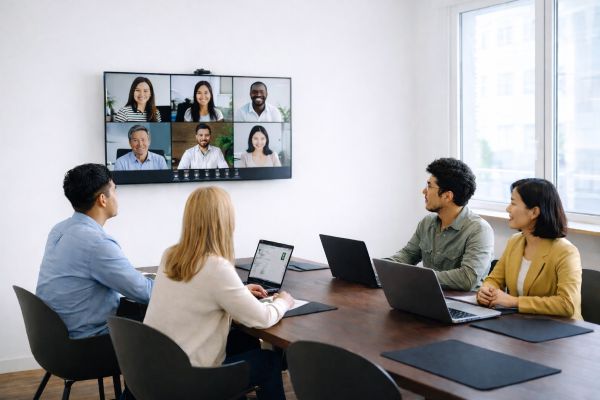
Most meetings were conducted remotely. With a cheerful personality and extensive experience, the consultant was initially regarded as a highly reliable partner.
However, after working together for about three months, small frictions began to surface between this consultant and the Japan-based members. The root cause was a difference in perception toward deadlines. It was not a matter of capability or understanding.
Yet deliverables were occasionally submitted later than expected, and frustration gradually accumulated on the Japanese side. Those concerns were brought to our project manager, who was responsible for product management, with requests for firmer intervention.
The PM found themselves caught in between. But taking the side of only one party would not improve the situation. It was equally important to support the overseas consultant.
“Perhaps the detailed expectations from Japan feel excessive.” Through offline conversations, the PM carefully listened to honest thoughts and the practical challenges being experienced.
In many ways, I believe a PM must be willing to play the role of a “people-pleaser” — in the most positive sense. Maintaining all-directional diplomacy, staying neutral, and preparing the ground so that everyone can work comfortably. When improvements are needed, they are encouraged on both sides.
Japanese projects often place great emphasis on meticulous planning and precision in execution. At the same time, there are moments when this “way of working” is unconsciously imposed on others. That is why it becomes essential to clarify the minimum critical points and align expectations in a realistic manner.
Differences in work styles and ways of thinking are natural — especially in global environments. What matters is continuing appropriate communication while maintaining mutual respect, always in service of the project’s success.
Avoiding emotional confrontation and creating an environment where people can move forward toward the same goal — this, I believe, is central to the PM’s role. Project management is not only about schedule control or escalation (reporting issues upward for decision-making). Its essence lies in creating conditions where stakeholders can stay motivated and committed to success.
How do we connect people behind the scenes?
It is not about honoring only one side’s perspective, but about re-weaving relationships from a viewpoint of overall optimization.
The subject of a project is not “you” and “I.”
It is “we.”
When that spirit takes root, differences in culture and values cease to be sources of conflict — and instead become drivers of progress.